Key takeaways
- Tunbridge Wells is NOT on the high-speed (HS1) line, unlike Ashford or Ebbsfleet. Commuters use standard Southeastern services (~55 minutes to Charing Cross), so don't expect a Javelin-style fast link.
- Kent is a selective county. For a grammar school place your child sits the Kent Test in Year 6, and you register the summer before. Miss it and the options narrow sharply.
- It's a hard-water area supplied by South East Water. Budget for limescale (kettles, boilers, dishwashers) and consider a softener.
- Central and Pantiles-area streets are largely permit-controlled across eight residents' parking zones, and off-street parking is scarce, so factor it into where you buy or rent.
- Don't confuse Tunbridge Wells with Tonbridge: two separate towns about five miles apart with different schools and services.
On this page
Royal Tunbridge Wells is one of West Kent’s most sought-after places to live: leafy, historic, well-connected and full of independent shops. But a smooth move depends on a few things locals know and relocation checklists don’t. Here’s the practical version.
First, the commute quirk newcomers miss
Tunbridge Wells has a genuinely useful London commute: frequent direct Southeastern trains to Charing Cross, Cannon Street and London Bridge, usually around 55 minutes to Charing Cross, plus a second station at High Brooms one stop north.
The catch that catches people out: there is no high-speed (HS1) service from Tunbridge Wells. The fast “Javelin” trains to London St Pancras serve East Kent (Ashford, Ebbsfleet), not the west of the county. Tunbridge Wells is on the classic Hastings line via Tonbridge and Sevenoaks. It’s a good commute, just not a high-speed one, so don’t pay a premium expecting a 40-minute dash to St Pancras.
If you have school-age children, act early
This is the biggest practical difference from most of England: Kent is a selective authority. Secondary admission to grammar schools is decided by the Kent Test (the 11-plus), which children sit in the autumn of Year 6.
The deadline matters: you must register for the test the summer before, around June of Year 5. Miss that window and the grammar route effectively closes for that year.
Tunbridge Wells is well served for selective schools: the Skinners’ School, Tunbridge Wells Grammar School for Boys and Tunbridge Wells Girls’ Grammar School in the town, with Tonbridge Grammar School and The Judd School a few miles north in Tonbridge. There are strong non-selective options too, such as Bennett Memorial Diocesan School. But all of them are heavily oversubscribed, and admission often turns on distance or named parishes, so passing the test doesn’t guarantee a place at the school you want.
One local trap: Tunbridge Wells sits right on the Kent / East Sussex border. Some nearby addresses fall into East Sussex, which means a different county council and a different (non-selective) admissions system. Check which county your specific address is in before you commit.
The neighbourhoods, quickly
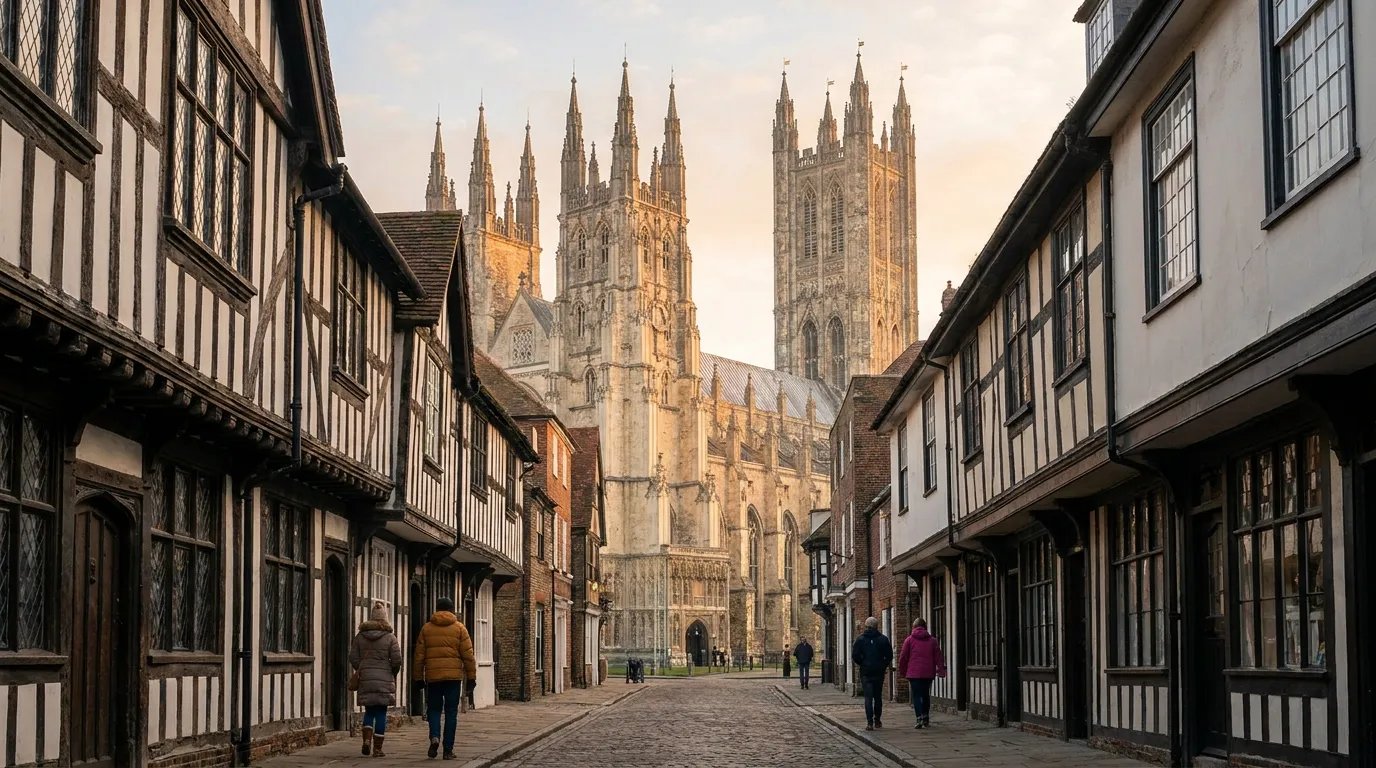
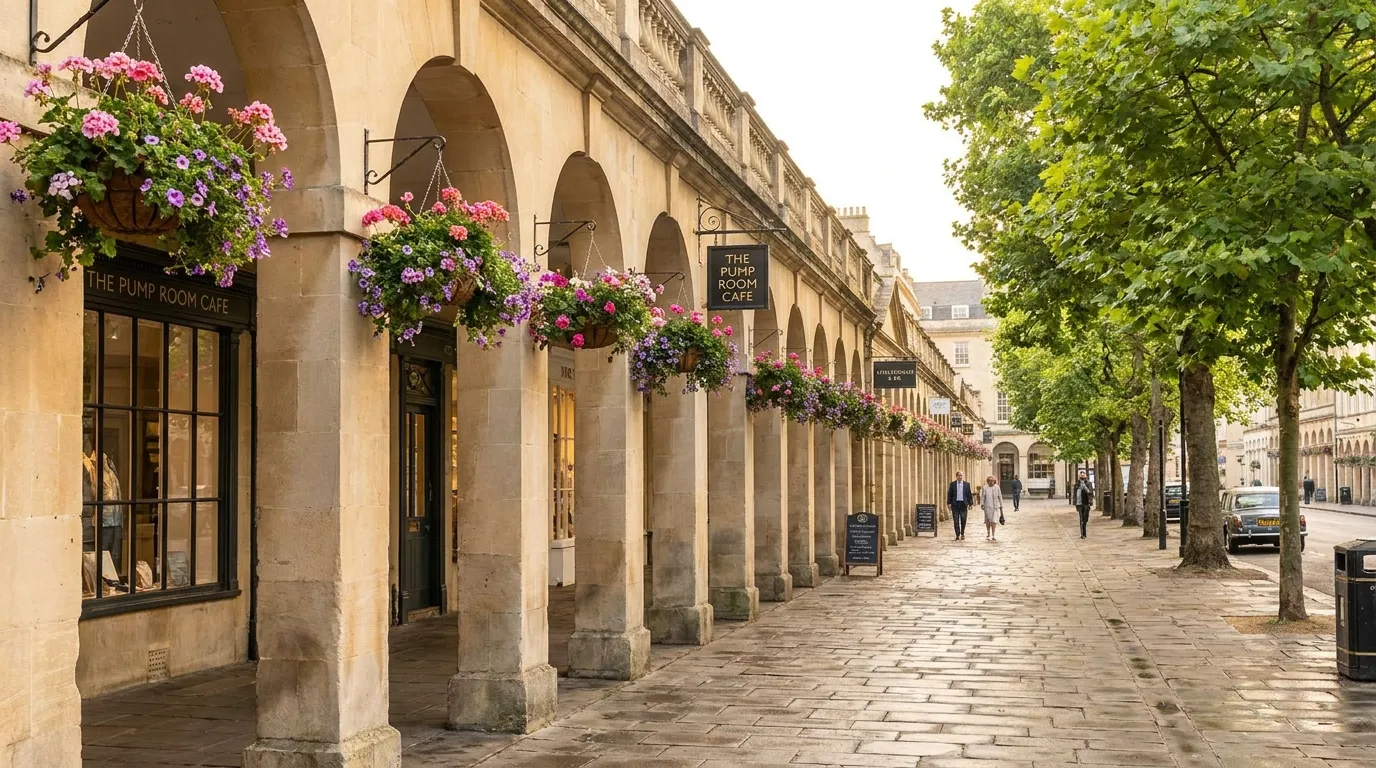
The historic core is named after its hills: Mount Ephraim, Mount Sion, Mount Pleasant and the Pantiles (the Georgian colonnaded walkway around the original Chalybeate Spring). These central areas are period, pretty and largely permit-parked.
Around them:
- Hawkenbury. South-east, family housing with gardens and parking.
- Rusthall and Langton Green. Village feel to the west, within the High Weald National Landscape.
- High Brooms. North, more affordable, with its own station.
- Southborough. A separate town immediately north along the A26 towards Tonbridge, popular with commuters.
Practical set-up: water, bins, parking
A few things to sort that the glossy guides skip:
- Water. The mains supply is South East Water, and it’s a hard-water area, so expect limescale on everything from the kettle to the boiler, and consider a softener. (Worth noting: a major multi-day outage affected tens of thousands of homes across the area in late 2024, so it’s not a bad idea to keep a little bottled water in.)
- Council. You’re under two authorities: Tunbridge Wells Borough Council (bins and recycling, parking permits, planning, council-tax collection) and Kent County Council (schools, highways, the tip).
- Parking. There are eight residents’ parking zones (six in Tunbridge Wells, plus High Brooms and Paddock Wood), and central and period streets are mostly permit-controlled with scarce off-street parking. If you’re buying or renting near the centre, check the parking situation carefully.
Local services to line up
With the big items handled, line up the trades and services that make a new house work. The good ones get booked up, so don’t leave them to the last minute:
- An electrician and a plumber for first-week fixes: browse electricians and plumbers.
- A cleaner for a move-in deep clean: cleaning services.
- A handyman for the flat-pack and shelves list: handyman services.
- A painter or decorator to freshen rooms before furniture arrives: painters & decorators.
- A gardener if you’ve inherited an overgrown plot: gardeners.
- A dentist and optician taking new patients: dentists and opticians.
- Childcare sorted early, as nurseries fill up: childcare & nurseries.
- A trusted garage for the car’s next service: car garages.
Settling in
Then enjoy it. The Pantiles for independent shops and events, Calverley Grounds (with a winter ice rink) and Dunorlan Park for green space, the Tunbridge Wells and Rusthall Commons with their sandstone outcrops and Toad Rock, The Forum (a tiny, much-loved live-music venue once named Britain’s best small venue) and the heritage Spa Valley Railway. There’s a farmers’ market for local produce, and the High Weald on the doorstep for walks.
Every service above can be browsed by town in our directory. Start at the Tunbridge Wells business directory and shortlist the people you’ll want on speed dial. Welcome to West Kent.
Frequently asked questions
Is Tunbridge Wells a good commute to London?
Yes. There are frequent direct Southeastern trains to Charing Cross, Cannon Street and London Bridge, typically around 55 minutes to Charing Cross, with a second station at High Brooms. The one caveat newcomers miss: there's no high-speed HS1 link from Tunbridge Wells (that serves East Kent towns like Ashford and Ebbsfleet), so it's the classic line, not a Javelin service.
Do children have to sit the 11-plus in Tunbridge Wells?
Kent runs a selective system. To be considered for a grammar school, children sit the Kent Test in the autumn of Year 6, and parents must register the summer before (around June of Year 5). Grammars such as the Skinners' School, Tunbridge Wells Grammar School for Boys and Tunbridge Wells Girls' Grammar School are heavily oversubscribed, so passing the test doesn't guarantee a place at a specific school.
Is Tunbridge Wells a hard water area?
Yes. The mains supply comes from South East Water and the area is classified as hard water, so expect limescale in kettles, dishwashers and boilers. Many residents use descalers or fit a water softener.
Which council looks after Tunbridge Wells?
Two tiers. Tunbridge Wells Borough Council handles bins and recycling, parking permits and local planning; Kent County Council covers schools admissions, highways, social care and the recycling centre.
What's the difference between Tunbridge Wells and Tonbridge?
They're two distinct towns about five miles apart, often confused. They have different stations, schools and postal areas, so it's worth getting right on forms and school applications.
Find a trusted Kent business
Browse reviewed local listings by category and town across the county.
Search the directory